N°01 · The Why Issue · Interview
Why should things last forever?
We were taught that a high-quality object is one that lasts forever. A portrait, too, was meant to outlive its subject. Raimund Verspohl — photographer, designer, and an unembarrassed optimist about the machine — is no longer sure that permanence is the point.
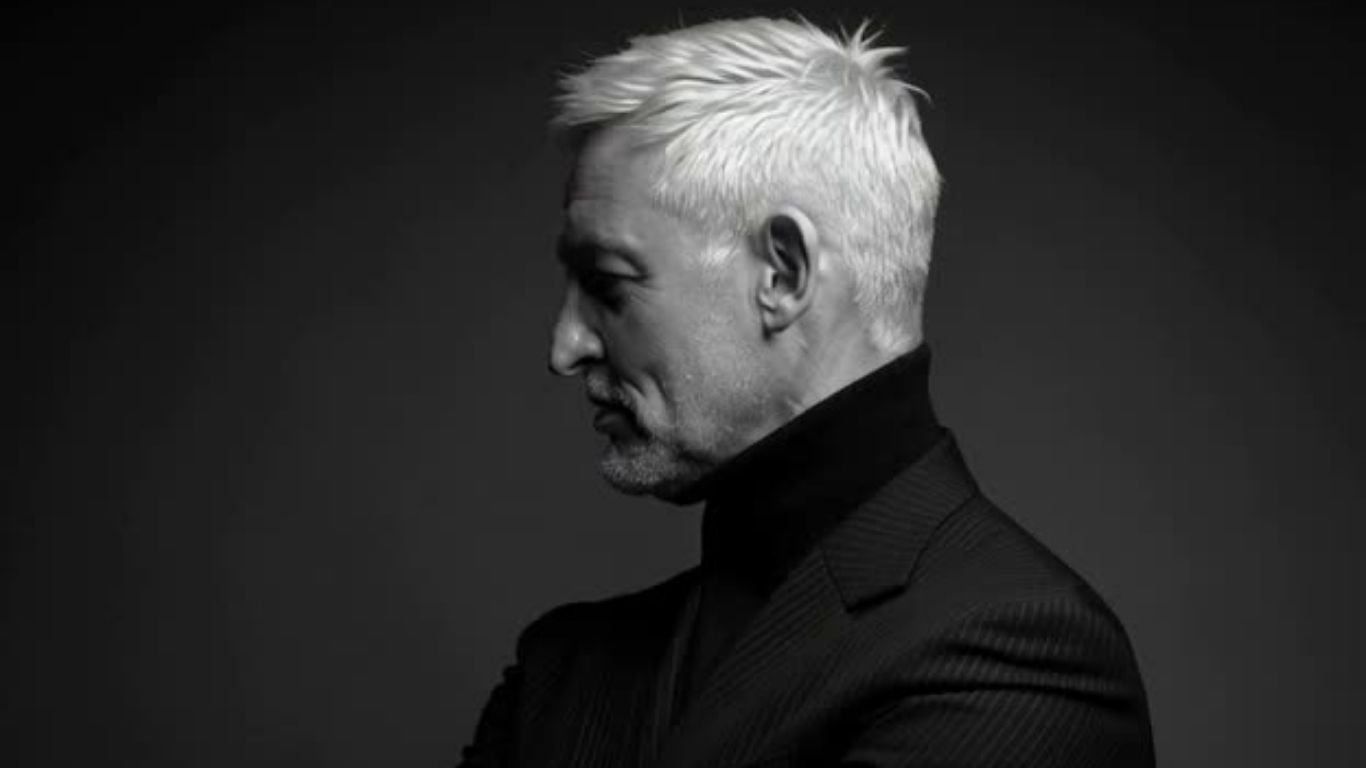
01 — Im Studio, München. Available light, no compromise.
FKLet's start with the title we gave this issue. Why shouldn't things last forever?
Because the idea that they should is younger than we think. It is an inheritance from the sixties and seventies — a time that genuinely believed a good chair, a good camera, a good marriage would simply endure. Then the markets arrived and shattered it. We mourn that, and we are right to. But underneath the mourning there is a question worth asking honestly: why should a thing last forever? What if the lifespan of an object is not a measure of its quality but a separate decision entirely?
FKYou make portraits. Portraiture is the art of keeping someone. Isn't that the opposite of letting things pass?
That is the tension I live in. A portrait holds a face still — but the person walks out of the studio and keeps ageing, which is exactly as it should be. The photograph is not the person; it is a moment the person agreed to lend me. I have stopped trying to make pictures that defeat time. I try to make pictures that are honest about it.
A photograph is not the person. It is a moment they agreed to lend me.
FKThis issue can't avoid the obvious question. You teach people to make images with AI. Doesn't the machine threaten exactly the slowness you describe?
I see no adversary here, only a companion — ein Gefährte. The machine is a tool, the way the camera was a tool and the darkroom was a tool. It does not breathe, it does not feel, it does not see. Those stay with us: breathing, feeling, seeing, the thought, and the asking. What it does is shorten the distance between a question and a draft. That is not a threat to slowness. It is more room for it, if you choose to use the room that way.
I see no adversary here, only a companion. Breathing, feeling, seeing — those stay with us.
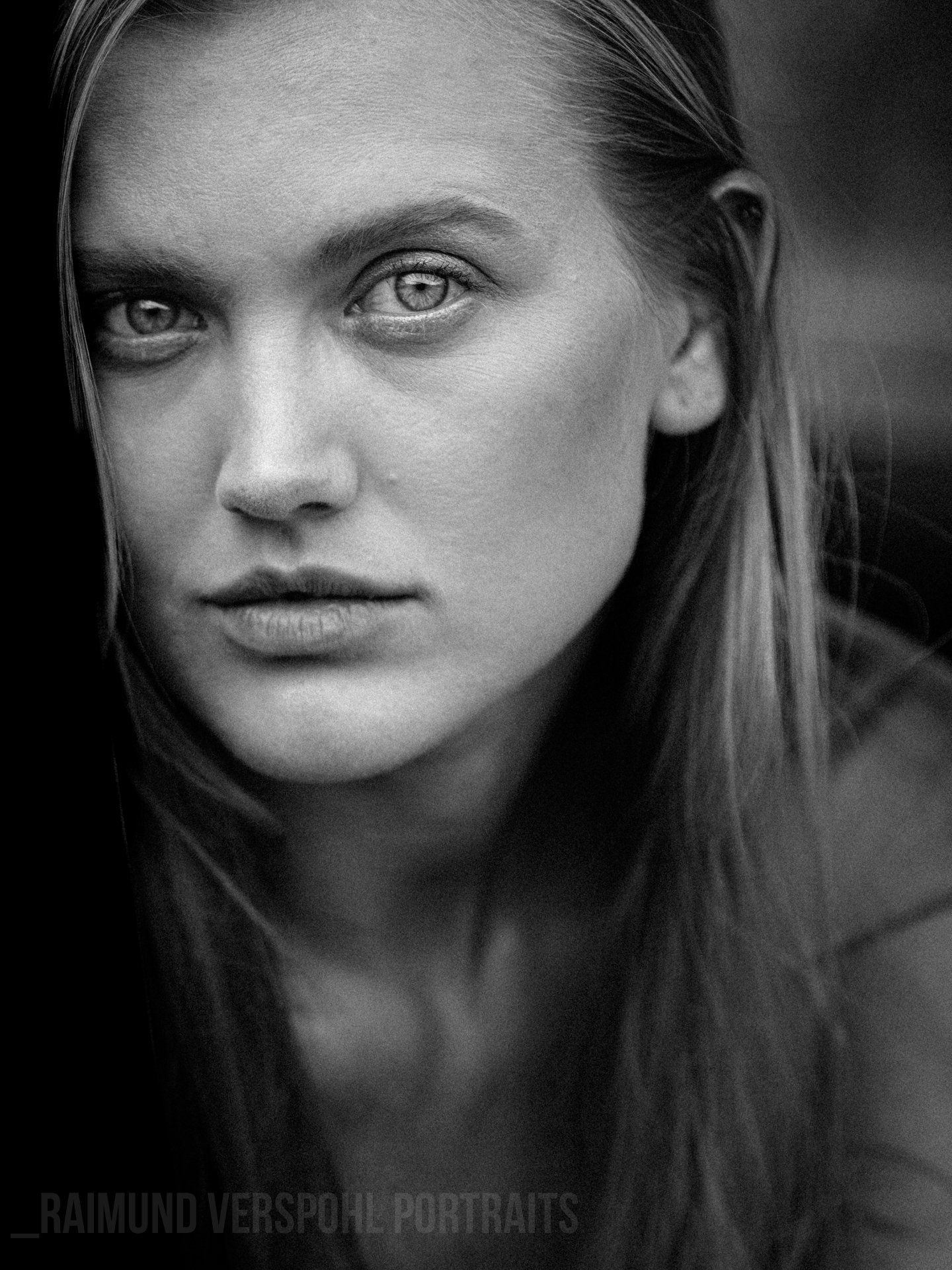
02 — A face decides whether to trust the lens. That decision is the whole photograph.
FKSo what does last? If not the object, if not the print?
The memory the thing connects to. We are always, in fact, using a technique to reach a memory. Think of Proust and the cake — it is never just a cake again. The print will fade. The recognition it triggers can outlive the paper by a generation. That is the durable thing, and I don't get to manufacture it. I can only make room for it.
— Raimund Verspohl, München. Im Studio. Auf einer Bank im Park.